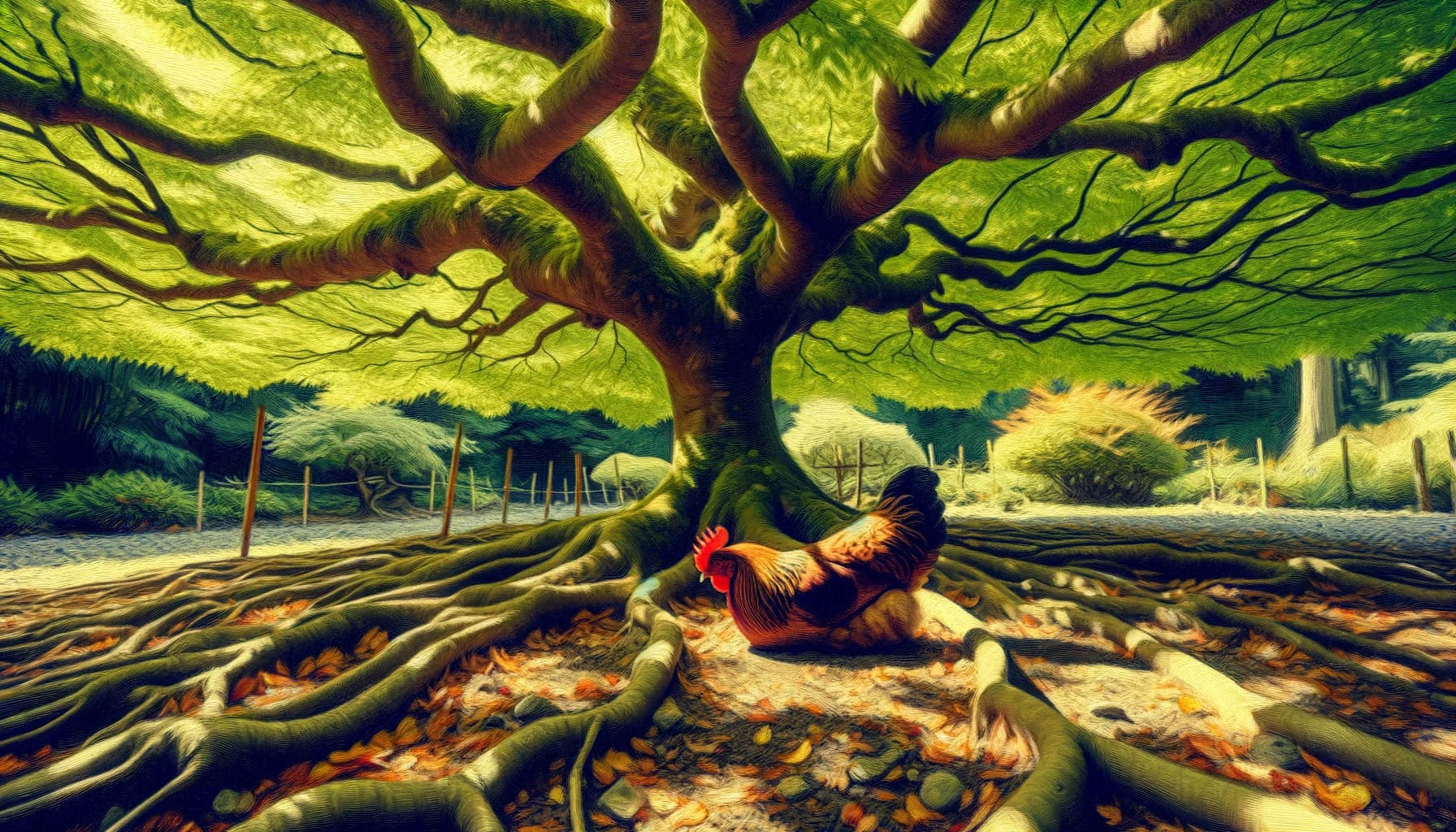
Breakdown of saki no ki no sita ni niwatori ga imasu.
木ki
tree; wood
のno
possessive case particle
がga
subject particle
いるiru
to exist; to stay; to have (used for living beings)
にni
at; on; in; to; for [indirect object particle]
下sita
down; under; lower; below
先saki
previous, past, after; ahead
鶏niwatori
chicken
Learn saki no ki no sita ni niwatori ga imasu and more in Japanese
All course content and exercises are completely free — no paywalls, no trial periods, no signup needed.
- ✓ Practice with interactive exercises
- ✓ Track your progress with spaced repetition
- ✓Learn at your own pace — completely free