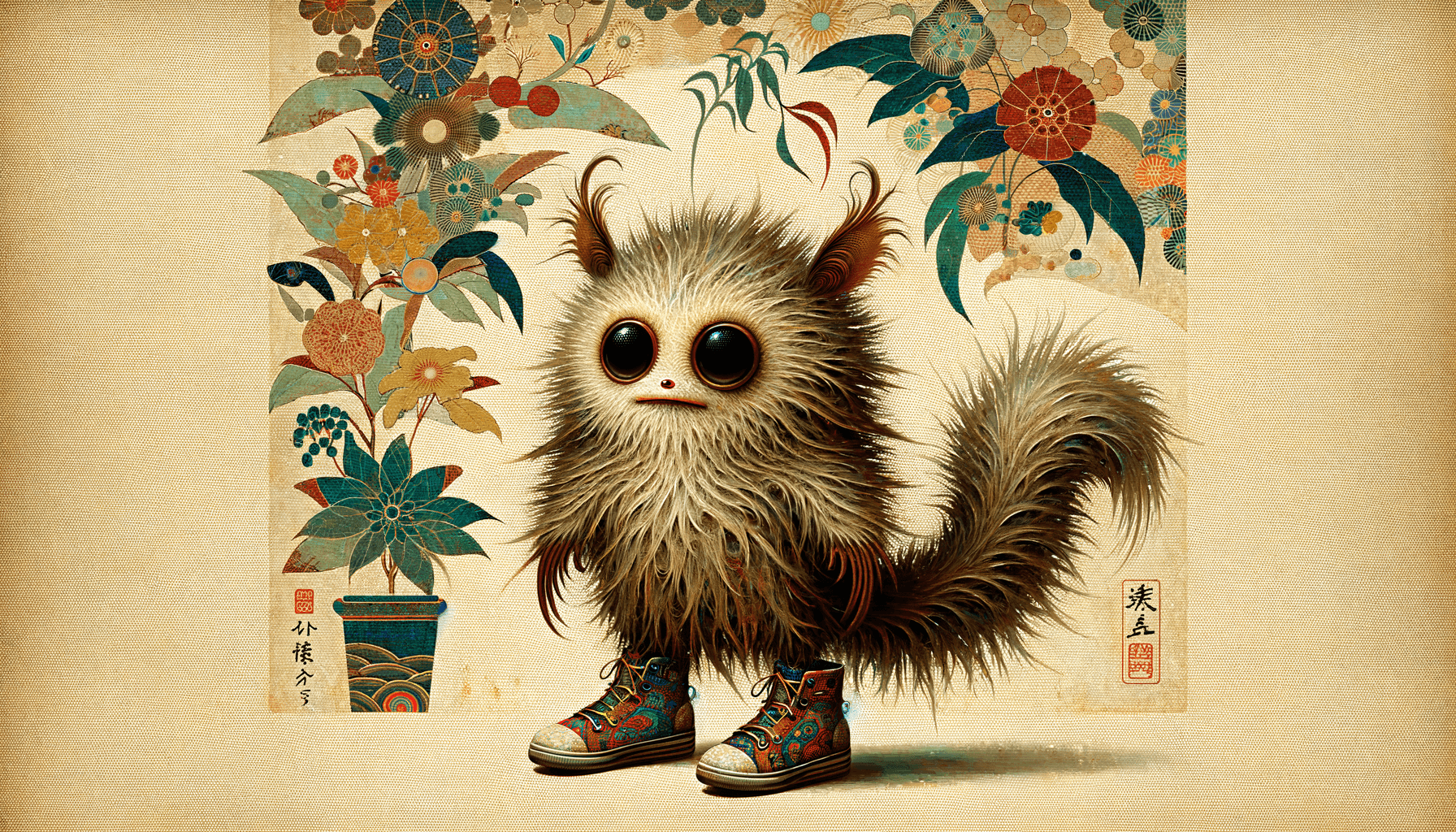
Breakdown of kutu
shoes
靴
Usages of kutu
日本 で、 家 の 中 で 靴 を 履いて は いけません。nihon de, ie no naka de kutu wo haite ha ikemasen.
In Japan, wearing shoes inside the house is not allowed.
日本 で、 家 の 中 で 靴 を 履いちゃ いけない。nihon de, ie no naka de kutu wo haitya ikenai.
In Japan, wearing shoes inside the house is not allowed.
靴 を 磨く 時間 が ありません。kutu wo migaku zikan ga arimasen.
(I) don't have time to polish my shoes.
カジュアルな 靴 を 買いました。kazyuaruna kutu wo kaimasita.
I bought some casual shoes.
靴 の 先 が 曲がって いる。kutu no saki ga magatte iru.
The tip of the shoe is curved.
新しい 靴 を 買わなくちゃ ならない。atarasii kutu wo kawanakutya naranai.
I must buy new shoes.
靴 は 玄関 に 置いて ください。kutu ha genkan ni oite kudasai.
Please leave your shoes at the entrance.
靴 を 脱いで 家 に 入ります。kutu wo nuide ie ni hairimasu.
I take off my shoes before entering the house.
砂 が 靴 の 中 に 入った。suna ga kutu no naka ni haitta.
Sand got into my shoes.
この 靴 は 小さくて 歩きづらい。kono kutu ha tiisakute arukidurai.
These shoes are too small, so it’s uncomfortable to walk.
Learn kutu and more in Japanese
All course content and exercises are completely free — no paywalls, no trial periods, no signup needed.
- ✓ Practice with interactive exercises
- ✓ Track your progress with spaced repetition
- ✓Learn at your own pace — completely free