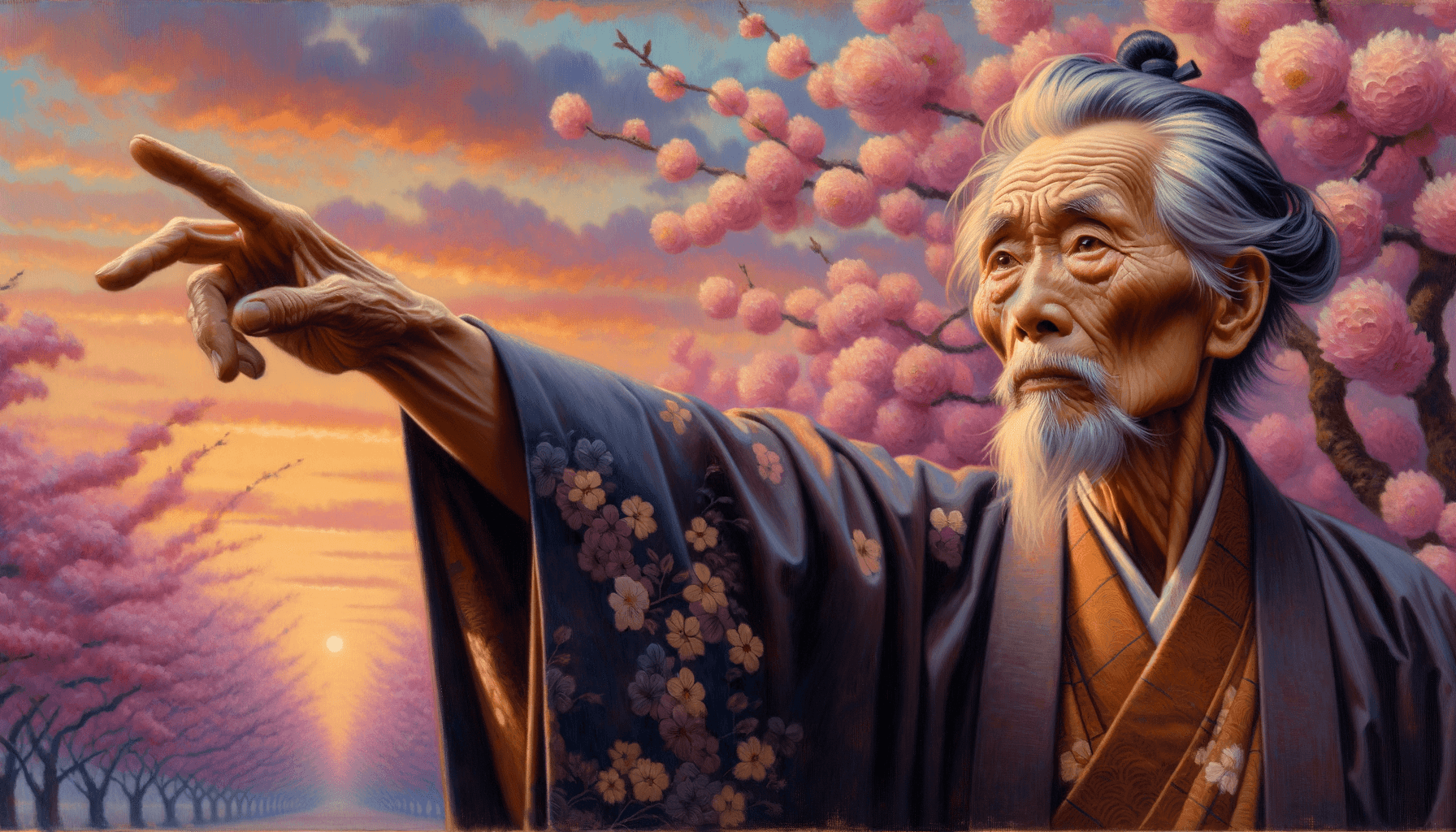
Usages of are
あれ は 山 です。are ha yama desu.
That (over there) is a mountain.
あれ は 何 です か。are ha nan desu ka.
What is that over there?
あれ は 月 です。are ha tuki desu.
That over there is the moon.
あれ は 月 です か。are ha tuki desu ka.
Is that (over there) the moon?
いいえ、 あれ は 月 じゃ ない です。iie, are ha tuki zya nai desu.
No, that (over there) is not the moon.
あれ は 大きな りんご です。are ha ookina ringo desu.
That is a big apple.
あれ は 日 じゃ ありません でした。are ha hi zya arimasen desita.
That was not the sun.
あれ は 日 です。are ha hi desu.
That (over there) is the sun.
Learn are and more in Japanese
All course content and exercises are completely free — no paywalls, no trial periods, no signup needed.
- ✓ Practice with interactive exercises
- ✓ Track your progress with spaced repetition
- ✓Learn at your own pace — completely free