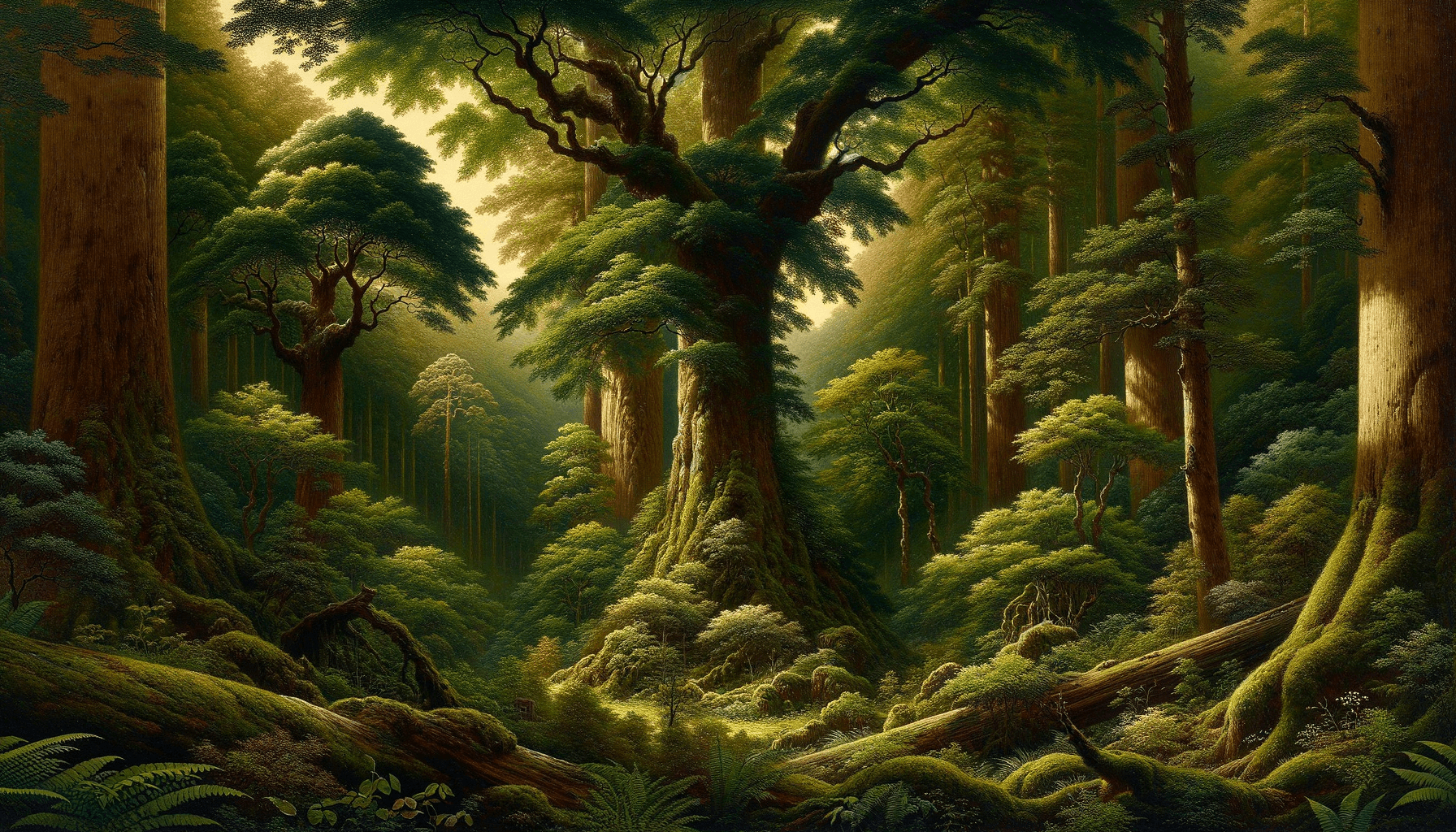
Breakdown of mori
natural forest
森
A natural forest has more trees than a manmade forest, because less are cut away.
Usages of mori
この 森 の 心 は 安らか です。kono mori no kokoro ha yasuraka desu.
The spirit of this forest is peaceful.
林 は 人工 の 森 です。hayasi ha zinkou no mori desu.
A hayashi is a manmade mori.
森 で も お寺 で も 休みました。mori de mo otera de mo yasumimasita.
(We) rested both in the forest and in the temple.
森 で も お寺 で も 休みました。
森 も お寺 も 休みました。
mori de mo otera de mo yasumimasita.mori mo otera mo yasumimasita.
(We) rested both in the forest and in the temple.
多く の 動物 が この 森 に 住んで います。ooku no doubutu ga kono mori ni sunde imasu.
Many animals live in this forest.
私たち は 森 で 弓 を 使って 遊びました。watasitati ha mori de yumi wo tukatte asobimasita.
We played with bows in the forest.
森 の 中 で 鹿 を 見ました。mori no naka de sika wo mimasita.
I saw a deer in the forest.
Learn mori and more in Japanese
All course content and exercises are completely free — no paywalls, no trial periods, no signup needed.
- ✓ Practice with interactive exercises
- ✓ Track your progress with spaced repetition
- ✓Learn at your own pace — completely free