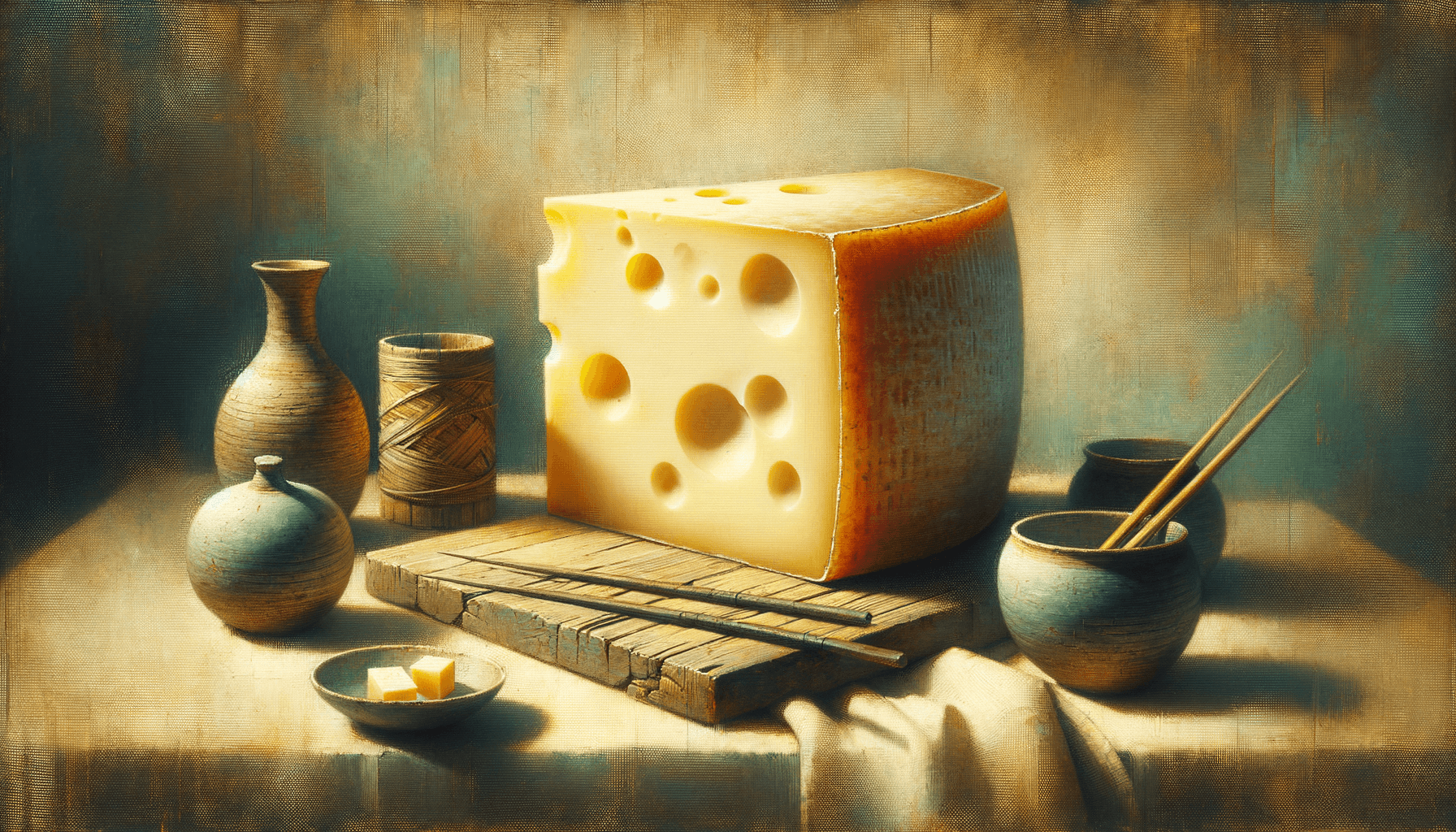
Usages of tiizu
ネズミ は チーズ を 食べ 終えました。nezumi ha tiizu wo tabe oemasita.
The mouse finished eating the cheese.
アレルギー が ある から、 チーズ を 食べない。arerugii ga aru kara, tiizu wo tabenai.
I do not eat cheese because I have an allergy.
ネズミ は チーズ を 食べます。nezumi ha tiizu wo tabemasu.
Mice eat cheese.
チーズ を 半 キログラム ください。tiizu wo han kiroguramu kudasai.
Please give me half a kilogram of cheese.
この サンドイッチ に は ハム と チーズ が 入って います。kono sandoitti ni ha hamu to tiizu ga haitte imasu.
This sandwich contains ham and cheese.
Learn tiizu and more in Japanese
All course content and exercises are completely free — no paywalls, no trial periods, no signup needed.
- ✓ Practice with interactive exercises
- ✓ Track your progress with spaced repetition
- ✓Learn at your own pace — completely free