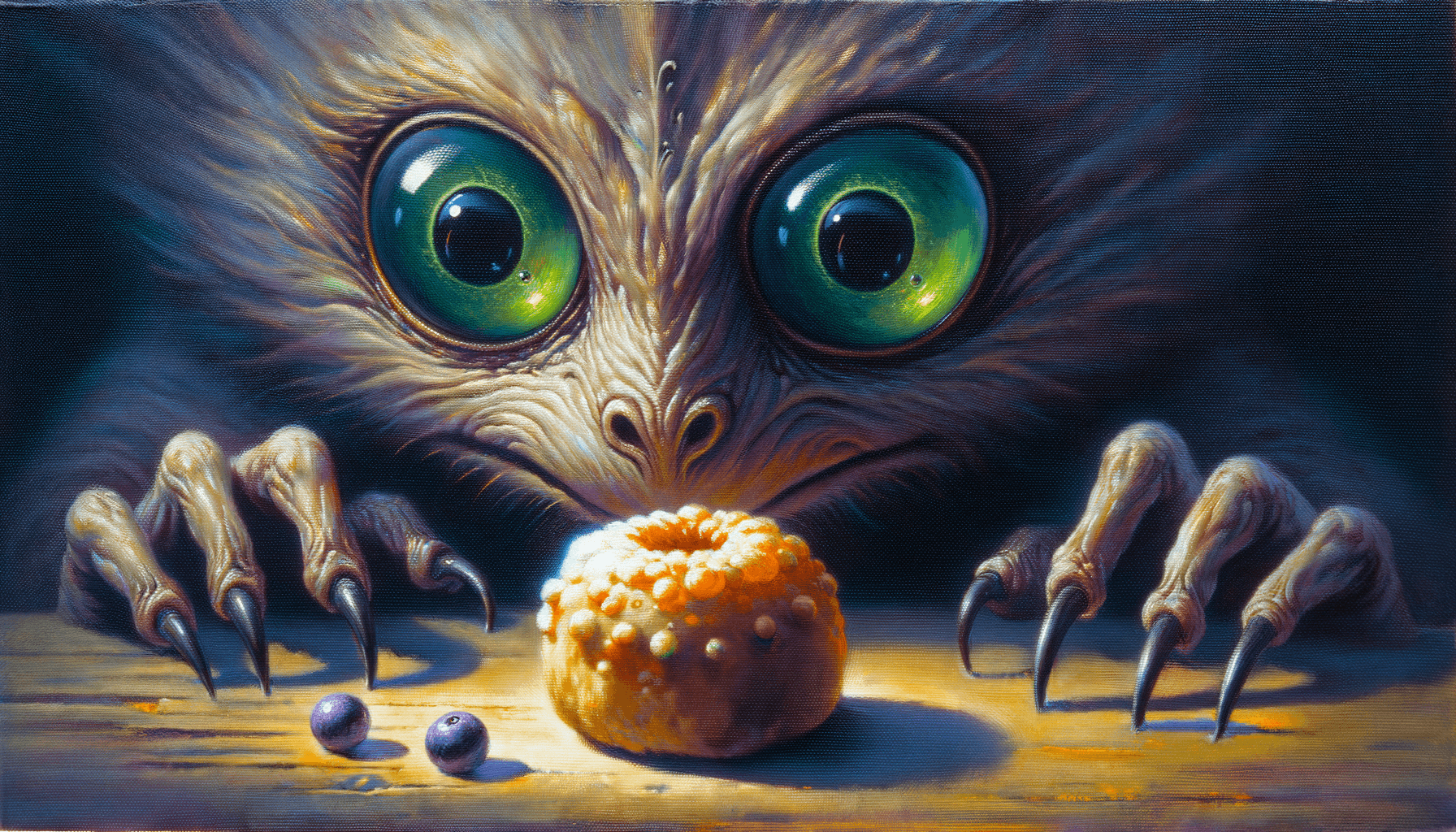
Usages of tabemono
食べ物 じゃ なかった です か。tabemono zya nakatta desu ka.
Was it not food?
でも、 その 食べ物 は 私 の でした よ!demo, sono tabemono ha watasi no desita yo!
But, that food was mine!
イタリア や 日本 の 食べ物 が 好き です。itaria ya nihon no tabemono ga suki desu.
(I) like Italian and Japanese food (among others).
この 食べ物 は おいしい です から、 食べたい です。kono tabemono ha oisii desu kara, tabetai desu.
I want to eat this food, because it's delicious.
Using です before から is very formal. We'll learn in a later lesson how to make less formal sentences with から.
その レストラン は 高い だけで、 食べ物 は 良く ない。sono resutoran ha takai dakede, tabemono ha yoku nai.
That restaurant is just expensive; the food isn't good.
その 食べ物 は 私 の です。sono tabemono ha watasi no desu.
That food is mine.
食べ物 が 足ります。tabemono ga tarimasu.
There's enough food.
食べ物 は よく 噛んで 食べて ください。tabemono ha yoku kande tabete kudasai.
Please eat (while) chewing your food well.
Learn tabemono and more in Japanese
All course content and exercises are completely free — no paywalls, no trial periods, no signup needed.
- ✓ Practice with interactive exercises
- ✓ Track your progress with spaced repetition
- ✓Learn at your own pace — completely free