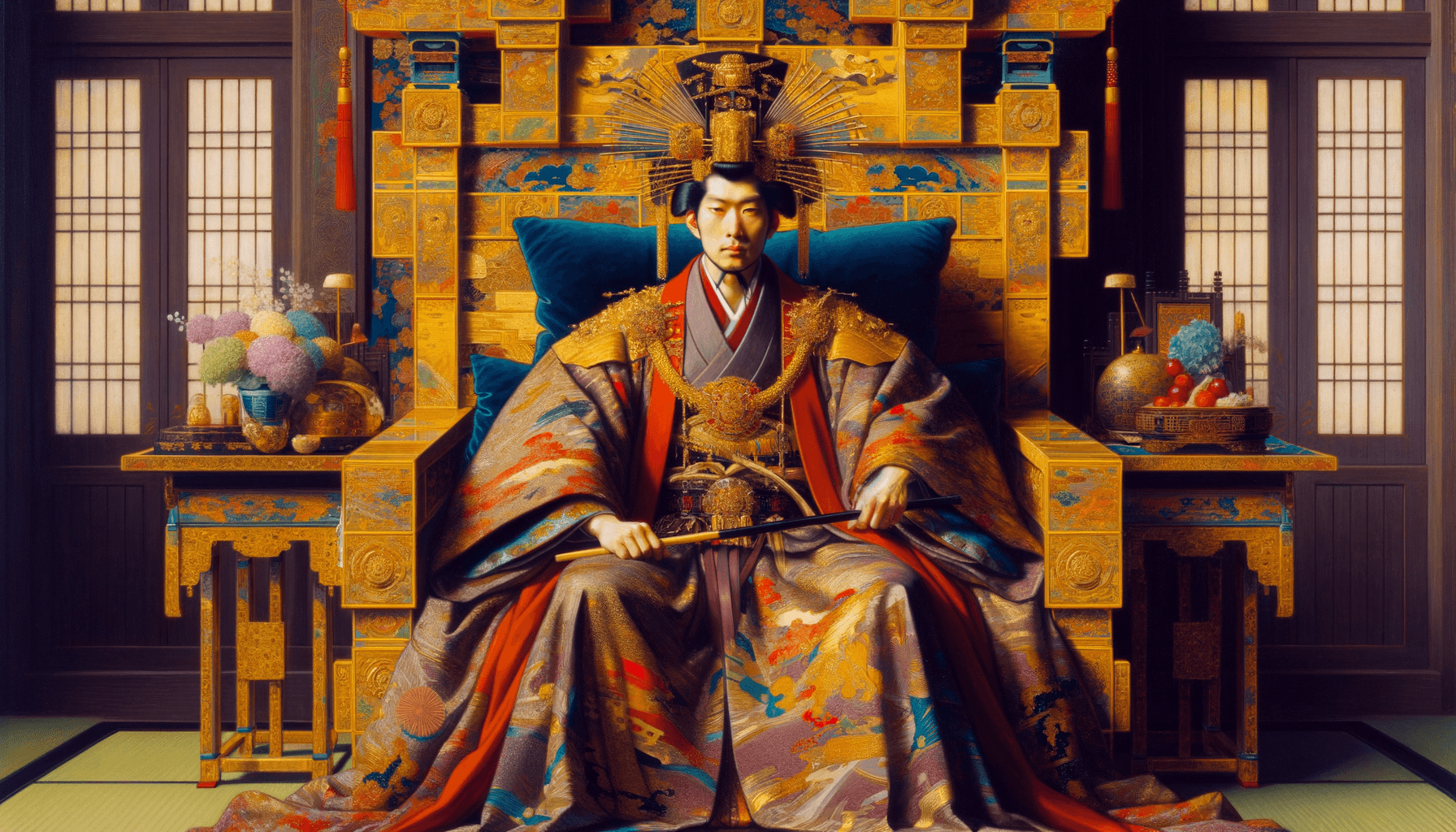
Breakdown of ou
king
王
The king is the one ruling the soil.
Usages of ou
私 の 国 の 王 じゃ ない です。watasi no kuni no ou zya nai desu.
(He) is not the king of my country.
王 の 車 に います。ou no kuruma ni imasu.
I'm in the car of the king.
明日 王 を 見ます。asita ou wo mimasu.
I will watch the king tomorrow.
中国 および 日本 も 王 が いません。tyuugoku oyobi nihon mo ou ga imasen.
China and Japan also do not have a king.
あなた は 何回 王 に 会いました か。anata ha nankai ou ni aimasita ka.
How many times did you meet the king?
彼女 は、 王 を 手伝って から、 有名 に なりました。kanozyo ha, ou wo tetudatte kara, yuumei ni narimasita.
She became famous after helping the king.
Learn ou and more in Japanese
All course content and exercises are completely free — no paywalls, no trial periods, no signup needed.
- ✓ Practice with interactive exercises
- ✓ Track your progress with spaced repetition
- ✓Learn at your own pace — completely free