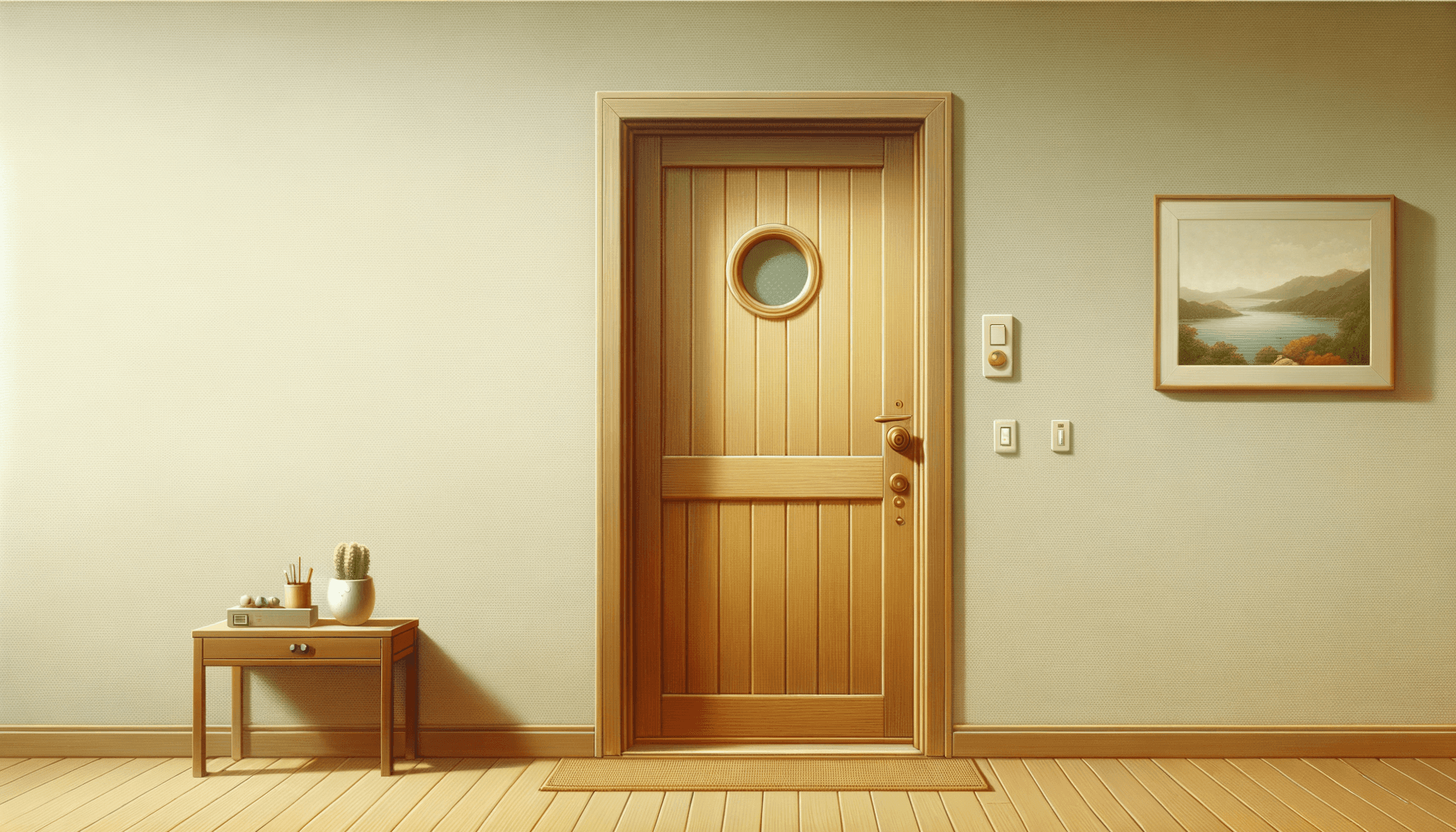
Usages of doa
ドア が 閉まった。doa ga simatta.
The door closed.the event itself is the topic
ドア が 開いて います。doa ga aite imasu.
The door is open.
ガラス の ドア を 開けて ください。garasu no doa wo akete kudasai.
Please open the glass door.
ドアベルdoaberu
doorbell
ドア を 強く 引いて ください。doa wo tuyoku hiite kudasai.
Please pull the door strongly.
この ドア に は 鍵 が 必要 です。kono doa ni ha kagi ga hituyou desu.
This door needs a key.
ドア に 新しい ペンキ を 塗りました。doa ni atarasii penki wo nurimasita.
I painted the door with new paint.
ボタン を 押す と、 ドア が 開きました。botan wo osu to, doa ga akimasita.
When I pressed the button, the door opened.
全て の ドア が 閉まって います。subete no doa ga simatte imasu.
All the doors are closed.
ドア が 開けられました。doa ga akeraremasita.
The door was opened.
ドア を 閉めなくて ごめん なさい。doa wo simenakute gomen nasai.
I'm sorry for not closing the door.
この ドア は 重くて 開けにくい。kono doa ha omokute akenikui.
This door is hard to open because it’s heavy.
Elon.io is an online learning platform
We have hundreds of Japanese lessons and thousands of exercises.