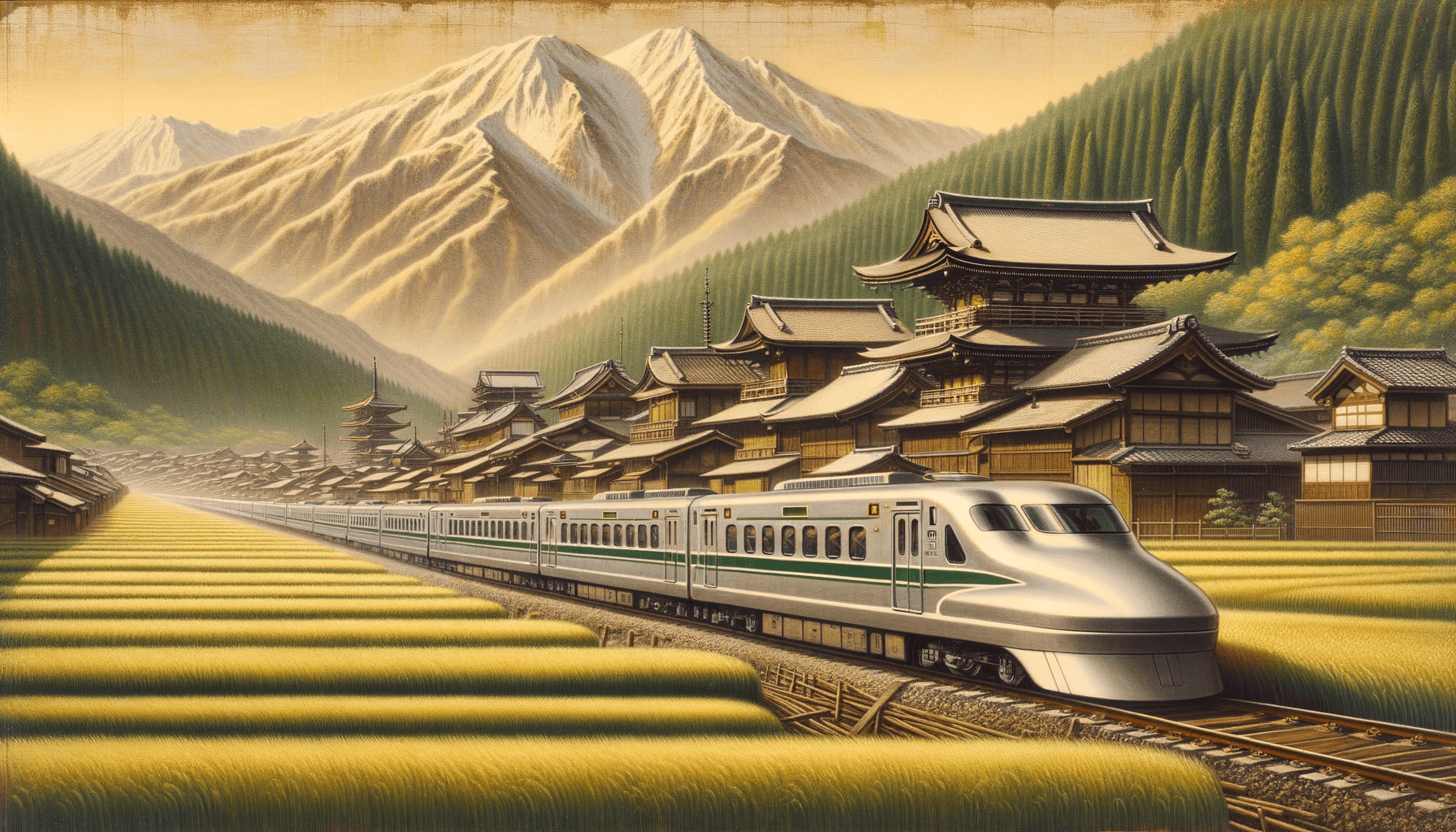
densya

Usages of densya

この でんしゃ は  で まる。kono densya ha nagoya de tomaru.
This (electric) train stops in Nagoya.
でんしゃ を りた。densya wo orita.
I got off the (electric) train.
バス は でんしゃ より やすい です。basu ha densya yori yasui desu.
The bus is cheaper than the train.
バス の ほう が でんしゃ より やすい です。basu no hou ga densya yori yasui desu.
The bus is cheaper than the train.
でんしゃ は まだ て いない。densya ha mada kite inai.
The trainelectric hasn't come yet.
でんしゃ か バス で きます。densya ka basu de ikimasu.
I will go either by train or by bus.
でんしゃ で く ほう が いい。densya de iku hou ga ii.
It's better to go by train. emphatic
あのう、 つぎ の でんしゃ は なん です か?anou, tugi no densya ha nanzi desu ka?
Excuse me, what time is the next train?
こちら の でんしゃ は どこ へ きます か?kotira no densya ha doko he ikimasu ka?
Where does this train go?
しん まで でんしゃ で さんじゅっぷん かかります。tosin made densya de sanzyuppun kakarimasu.
It takes thirty minutes by train to get to the city center.
いちばん の でんしゃ は なん に ます か。itiban no densya ha nanzi ni demasu ka.
What time does the first train leave?
こう に れなくて、 でんしゃ で きました。hikouki ni norenakute, densya de ikimasita.
I couldn't take the airplane and went by train.
でんしゃ の よこ を あるくの は あぶない。densya no yoko wo arukuno ha abunai.
It's dangerous to walk alongside the train.
でんしゃ が る まで に えき に きます。densya ga deru made ni eki ni tukimasu.
I will have arrived at the station by the time the train leaves.
 の ため に でんしゃ が おくれました。ziko no tame ni densya ga okuremasita.
The train was delayed because of an accident.
でんしゃ が はやければ、 おくれません。densya ga hayakereba, okuremasen.
If the train is early, I won’t be late.
でんしゃ が はやく なければ、 おくれます。densya ga hayaku nakereba, okuremasu.
If the train is not early, I will be late.
でんしゃ に りながら ほん を む。densya ni norinagara hon wo yomu.
I read a book while riding the train.
でんしゃ に いました。densya ni maniaimasita.
I caught the train.
でんしゃ に って よかった。densya ni maniatte yokatta.
I’m glad I made it in time for the train.

Test yourself: What does densya mean?

AI Language TutorTry it ↗
How do verb conjugations work in Japanese?
Japanese verbs conjugate based on tense, politeness, and mood. For example, the polite present form adds ‑ます to the verb stem, while the past tense uses ‑ました. Unlike English, Japanese verbs don't change based on the subject — the same form works for "I", "you", and "they".

Sign up free — start using our AI language tutor

Start learning Japanese

Master Japanese — from densya to fluency

All course content and exercises are completely free — no paywalls, no trial periods.

  • Infinitely deep — unlimited vocabulary and grammar
  • Fast-paced — build complex sentences from the start
  • Unforgettable — efficient spaced repetition system
  • AI tutor to answer your grammar questions