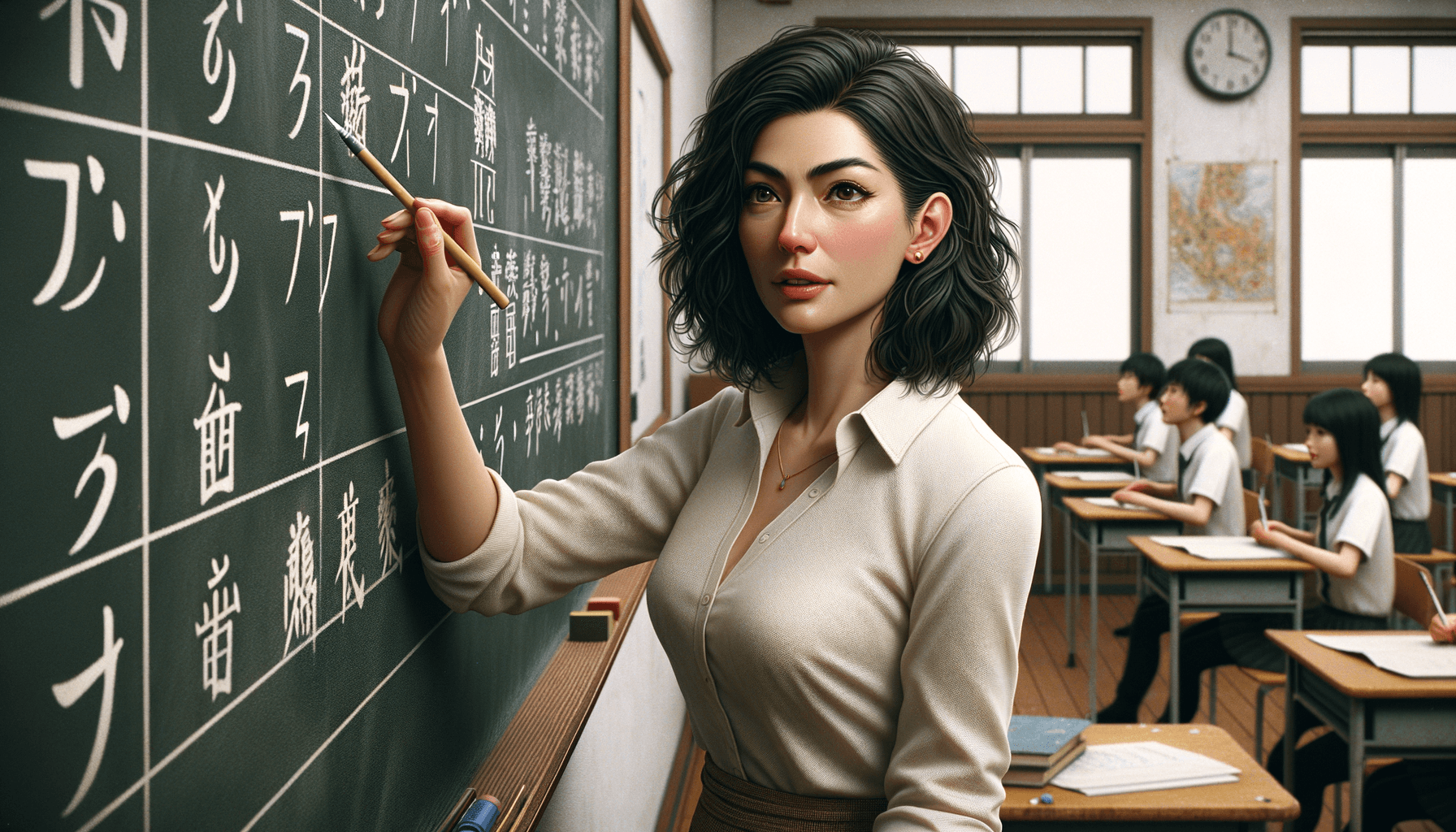
Breakdown of sensei
life
生
Your life depends on one cow, who gives you milk every day. Better take good care of it!
previous
先
You see a cow on human legs. It looks like your previous girlfriend.
Usages of sensei
彼女 は お父さん が 先生 です。kanojo wa otousan ga sensei desu.
Her father is a teacher.
日本人で、 日本語 の 先生 です。nihonjinde, nihongo no sensei desu.
(He) is Japanese, and is a Japanese language teacher.
彼女 は 先生 です。kanojo wa sensei desu.
She is a teacher.
彼女 が 先生 です。kanojo ga sensei desu.
She is the teacher.
山田 先生 は 短い スカート が 好き だ。yamada sensei wa mijikai sukaato ga suki da.
(Teacher) Yamada likes short skirts.
先生 は 来週 彼女 を 見 に 行く つもり。sensei wa raishuu kanojo o mi ni iku tsumori.
The teacher is planning to visit her next week.
ちょっと 待って ください。 先生 は まだ 来て いません。chotto matte kudasai. sensei wa mada kite imasen.
Please wait a minute. The teacher hasn’t come yet.
あの 先生 の 授業 は 難しい です。 宿題 は 日本語 で 書かない と いけない。ano sensei no jugyou wa muzukashii desu. shukudai wa nihongo de kakanai to ikenai.
That teacher’s class is hard. The homework has to be written in Japanese.
彼女 は 大学 の 先生 です。kanojo wa daigaku no sensei desu.
She is a university teacher.
先生 に 質問する つもり です。sensei ni shitsumonsuru tsumori desu.
I intend to ask the teacher a question.
あなた は 先生 でしょう か。anata wa sensei deshou ka.
Might you be a teacher?
彼 の 母親 は 先生 です。kare no hahaoya wa sensei desu.
His mother is a teacher.
先生 は 生徒 の 質問 に 答えました。sensei wa seito no shitsumon ni kotaemashita.
The teacher answered the student's question.
先生 に 宿題 を 渡します。sensei ni shukudai o watashimasu.
I will hand over my homework to the teacher.
先生 は とても 温かい 人 です。sensei wa totemo atatakai hito desu.
The teacher is a very warm person.
先生 なら、 教えて ください。sensei nara, oshiete kudasai.
If you are a teacher, please teach (me).
先生 が 学生 を 褒めた。sensei ga gakusei o hometa.
The teacher praised the student.
学生 は 先生 に 褒められた。gakusei wa sensei ni homerareta.
The student was praised by the teacher.
この 仕事 は 先生 に されました。kono shigoto wa sensei ni saremashita.
This work was done by the teacher.
先生 に プレゼント を 差し上げました。sensei ni purezento o sashiagemashita.
I gave a present to the teacher.
先生 に ご意見 を 伺いたい です。sensei ni goiken o ukagaitai desu.
I would like to ask for your opinion, teacher.
Learn sensei and more in Japanese
All course content and exercises are completely free — no paywalls, no trial periods, no signup needed.
- ✓ Practice with interactive exercises
- ✓ Track your progress with spaced repetition
- ✓Learn at your own pace — completely free