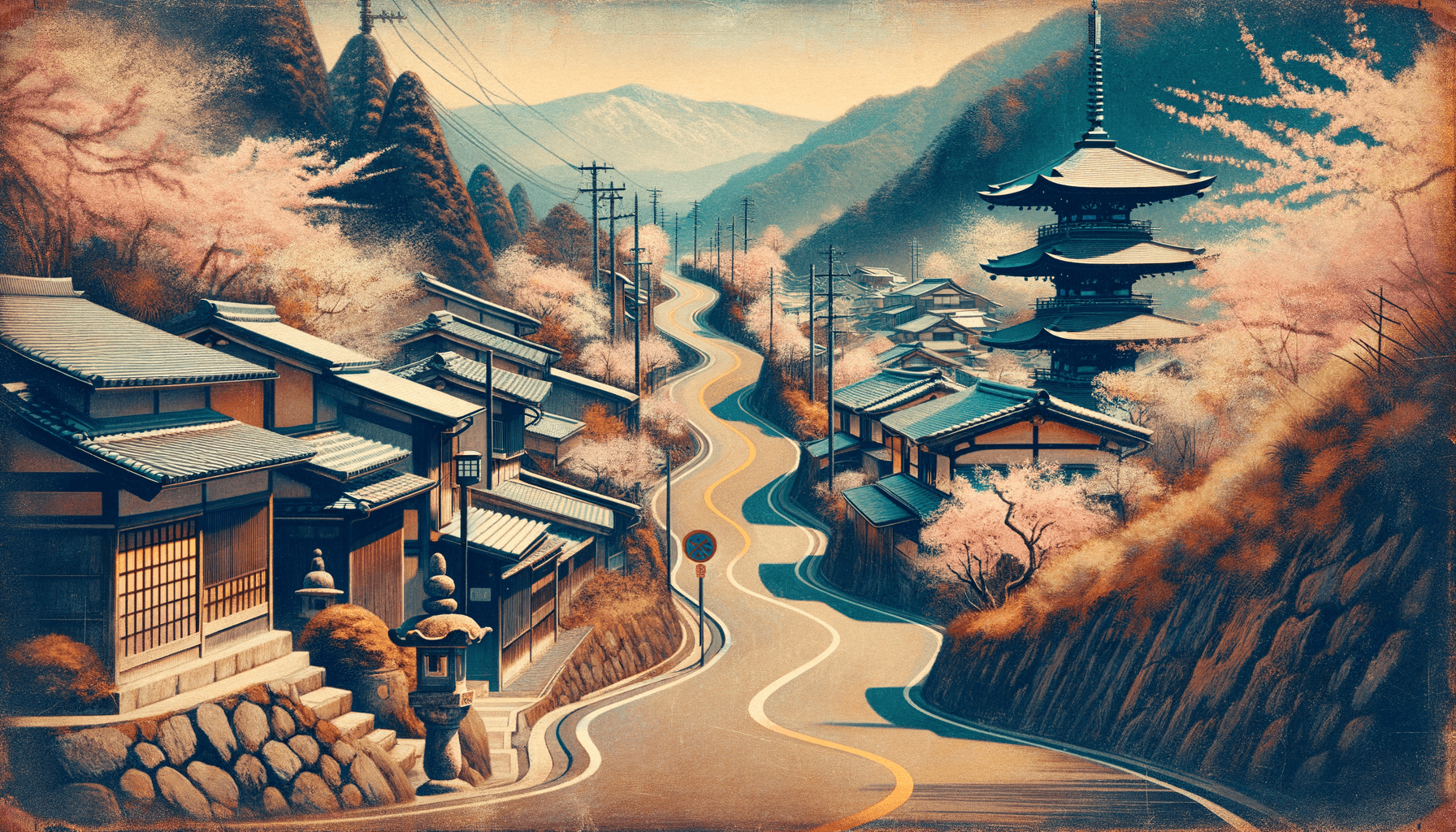
Breakdown of michi
road
道
You walk on a road that resembles a neck.
Usages of michi
道 を 渡って、 左 に 曲がって ください。 ホテル は 道 の 右 側 に あります。michi o watatte, hidari ni magatte kudasai. hoteru wa michi no migi gawa ni arimasu.
Cross the road and turn left. The hotel is on the right side of the street.
中学校 は 道 の 左 側 に ある。chuugakkou wa michi no hidari gawa ni aru.
Junior high school is on the left side of the road.
狭い 道 を 走りました。semai michi o hashirimashita.
I ran down a narrow path.
この 道 を まっすぐ 行って、 信号 の 先 を 右 に 曲がって。kono michi o massugu itte, shingou no saki o migi ni magatte.
Go straight on this road, and turn right after the traffic light.
この 道 は 左 に 曲がって います。kono michi wa hidari ni magatte imasu.
This road is bending to the left.
細い 道 を 歩いた。hosoi michi o aruita.
I walked on a narrow path.
道 を 聞くmichi o kiku
to ask for directions
道 を 渡る と、 公園 が あります。michi o wataru to, kouen ga arimasu.
When you cross the street, there is a park.
この 道 を まっすぐ 行く と、 コンビニ が あります。kono michi o massugu iku to, konbini ga arimasu.
If you go straight on this road, there is a convenience store.
道 に ガム を 捨てないで ください。michi ni gamu o sutenaide kudasai.
Please don’t throw gum on the street.
Learn michi and more in Japanese
All course content and exercises are completely free — no paywalls, no trial periods, no signup needed.
- ✓ Practice with interactive exercises
- ✓ Track your progress with spaced repetition
- ✓Learn at your own pace — completely free